
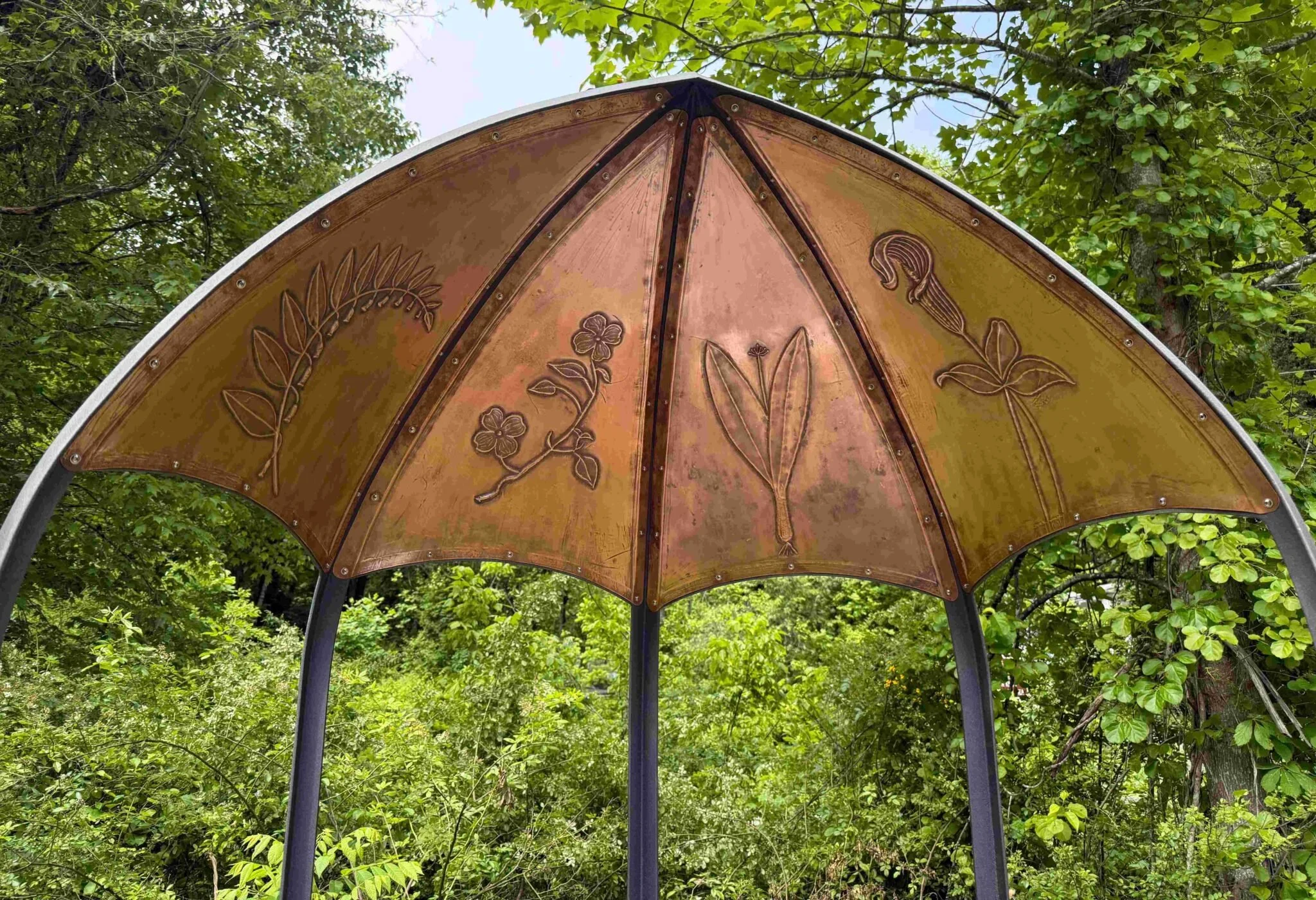
Forest Botanicals Region Living Monument
Norton, Virginia
Appalachian forests are among the most biodiverse places on Earth. Well over 100 species of medicinal herbs and forest foods—such as black cohosh, mayapple, goldenseal, American ginseng, bloodroot, and ramps—grow wild in the Appalachian forest understory. Close to fifty percent of the medicinal herbs in the North American supply chain are native to Appalachian forests, and a large share of the herbal products found on the shelves of natural food stores and pharmacies throughout the world are harvested from the region.
Long before there was a global trade in forest botanicals, Indigenous peoples tended stands of woodland herbs, using their Traditional Ecological Knowledge to establish food and medicine forests throughout the Appalachian Mountains. Herbalism has long been a cultural tradition in the Appalachian region, as have ginseng digging, ramp suppers, and a wide variety of festivals celebrating forest foods.
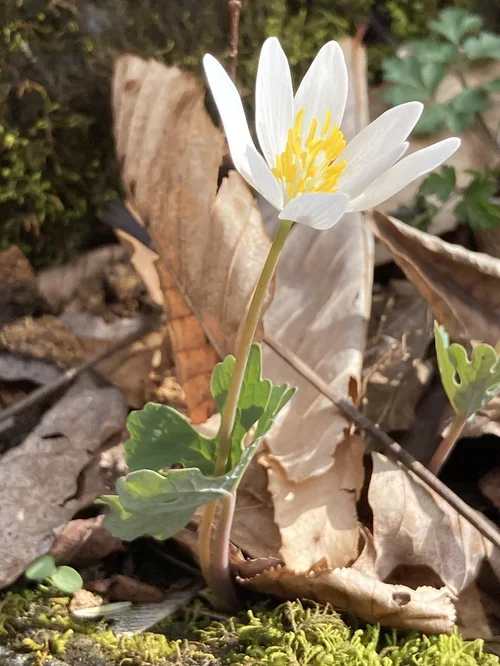
Bloodroot can be found along the monuments winding trail. Photo by Shannon Bell

“The knowledge that’s tied to [the forest] is power… Forest knowledge is power.”
-Victoria Persinger Ferguson, Monument Team Member
“We hope that this monument will help reconnect Central Appalachians with their forest heritage and to the treasure of healing biodiversity that exists in these mountains.”
-Shannon Bell, Monument Lead
The Forest Botanicals Region Living Monument challenges existing narratives about what is valued in Central Appalachia by highlighting the cultural, historical, ecological, and economic significance of the region’s abundant understory of native medicinal herbs and forest foods.
Through honoring Appalachian peoples’ historical and present-day connections to forest botanicals, this project deepens place attachment and pride among local communities, providing the scaffolding needed to encourage conservation and to inspire sustainable economic futures for the region. The monument is comprised of a “story walk” trail, interpretive signage, sculpture, and a digital exhibit.
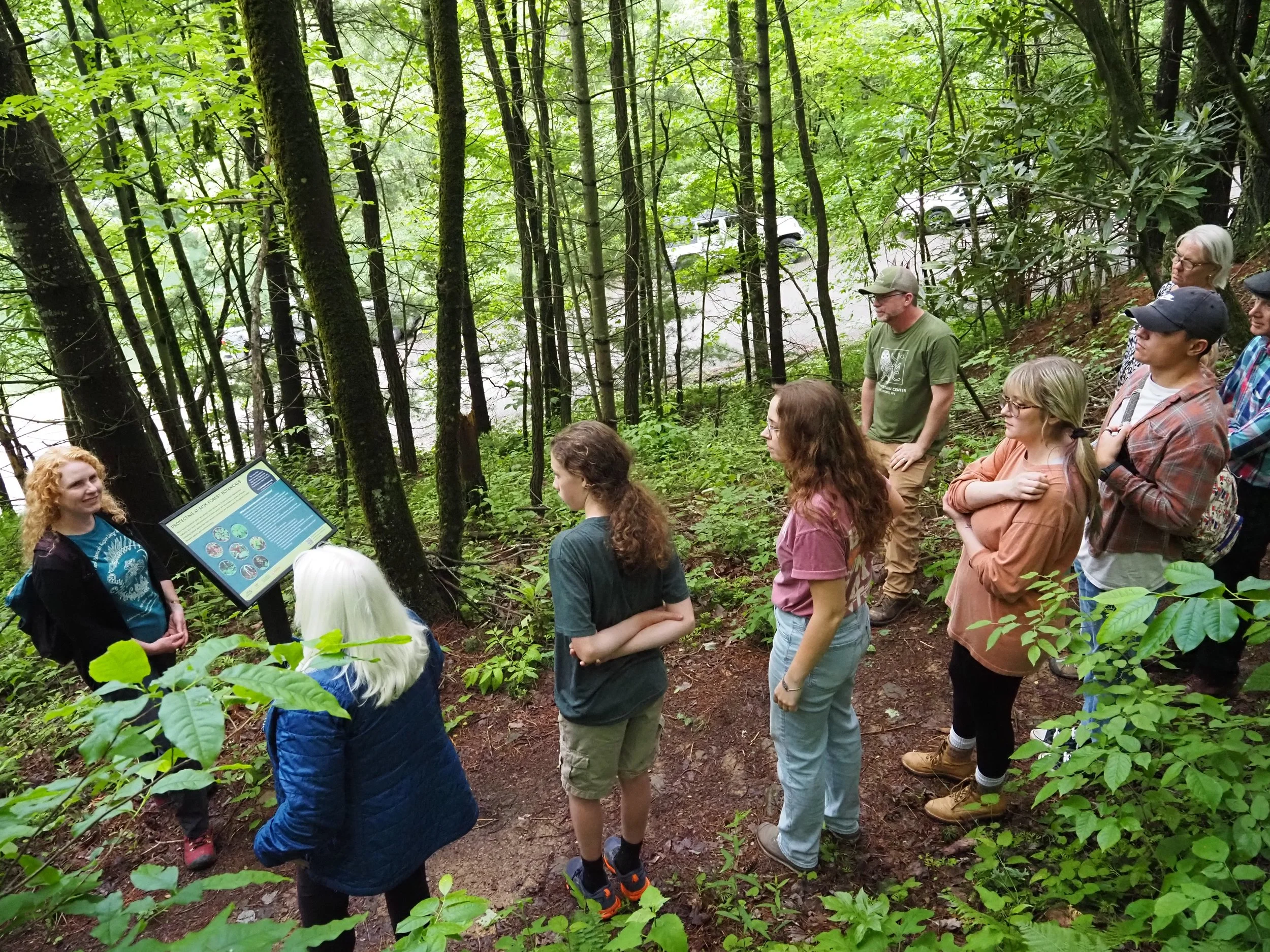
The “story walk” with interpretive signs follows a forest trail, and discusses the cultural, historical, medicinal, and economic importance that Appalachian forest herbs have held for a diversity of people, stretching from pre-colonization to today. Photo by MAAP Team.
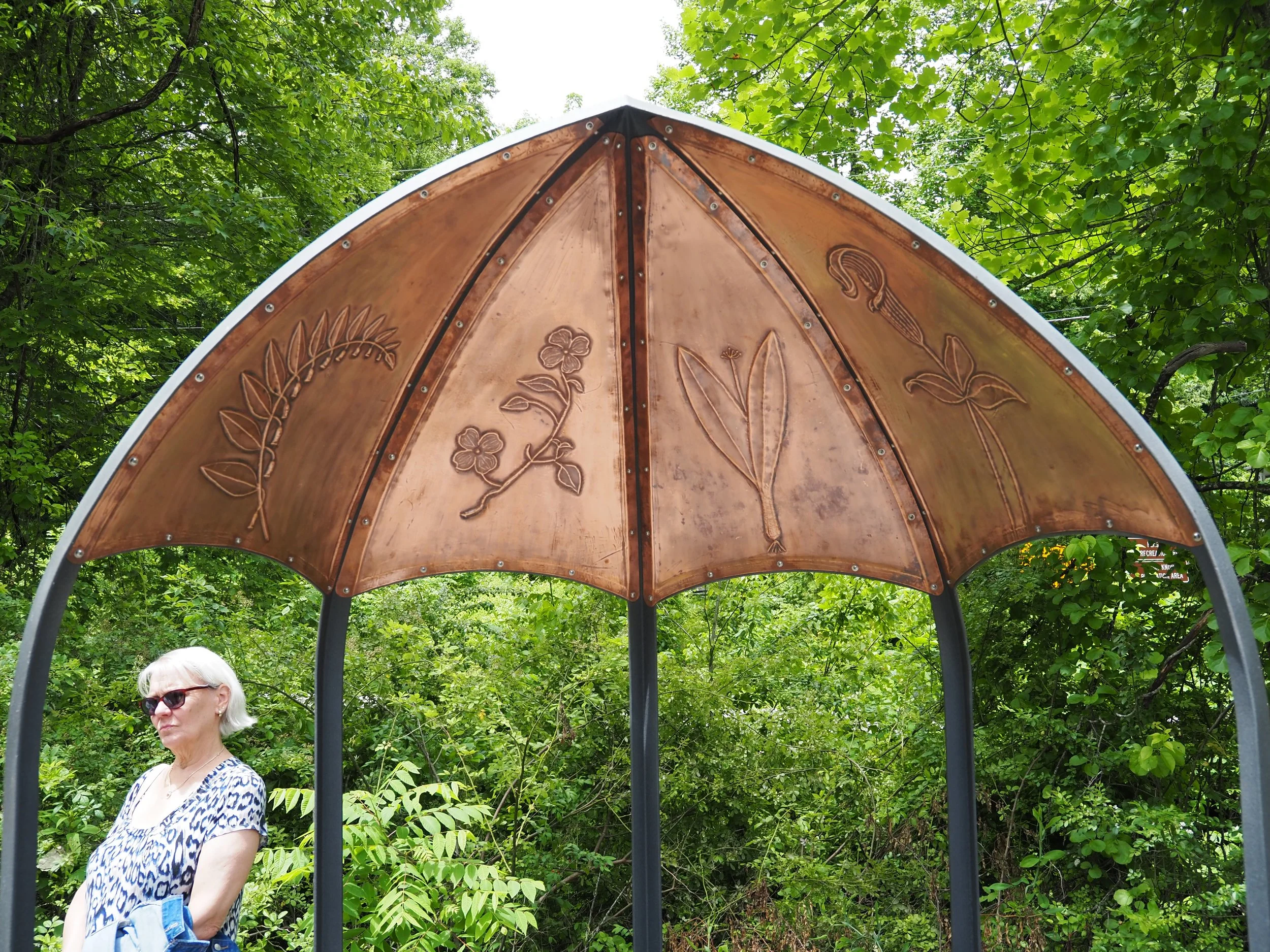
A sculpture at the new High Knob Destination Center reimagines and celebrates forest botanical stewardship in Central Appalachia. Photo by MAAP Team.
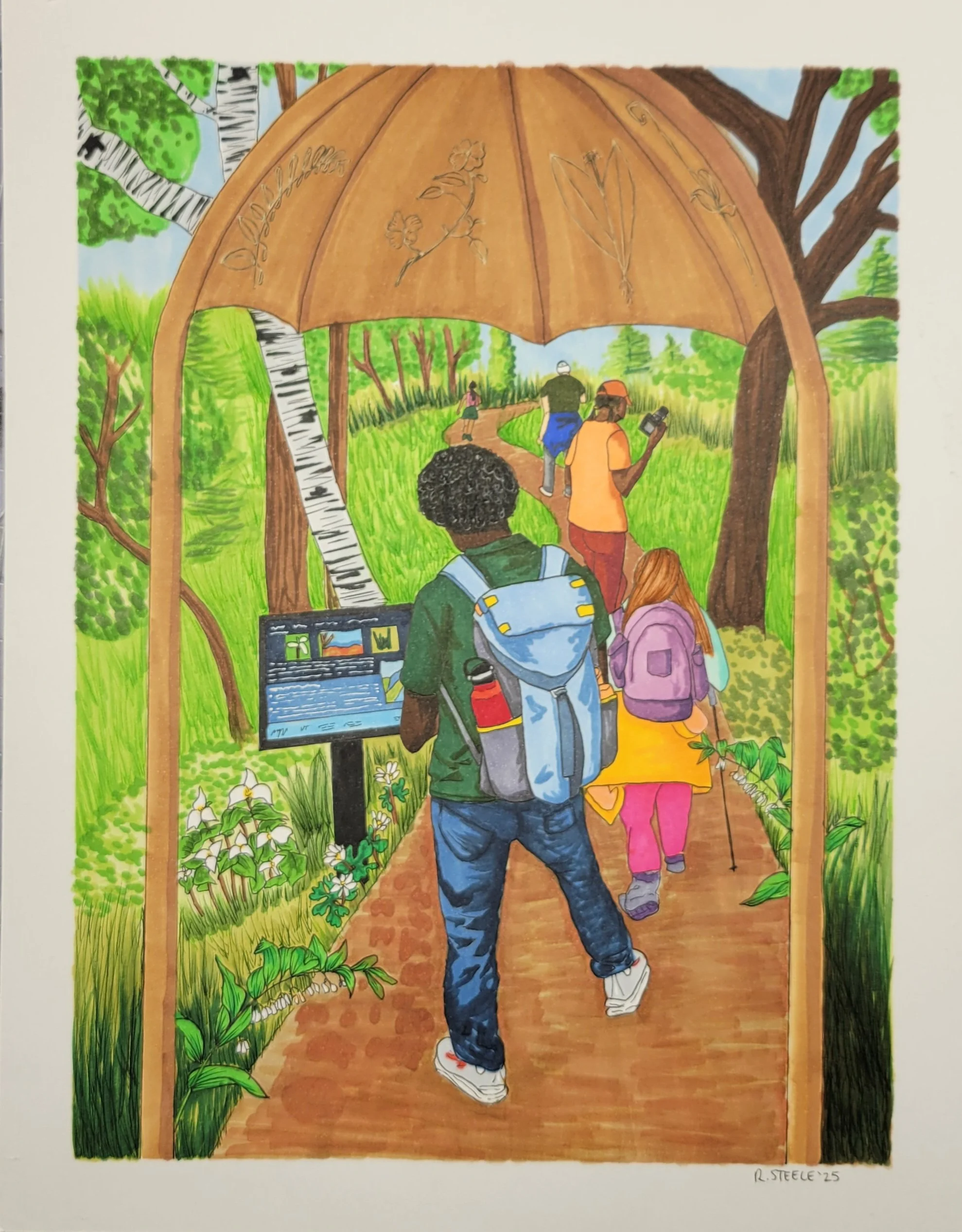
Professors Shannon Bell and John Munsell, Virginia Tech, collaborated with Appalachian Sustainable Development, forest botanicals practitioners, members of the community, and the City of Norton, Virginia, to create this living monument and sanctuary at High Knob. Illustration by Rebecca Steele.
Monument Team
Shannon Bell
Katie Commender
John Munsell
Robin Suggs
Nathan Wachacha
David Bush
William Rodgers
Katie Dunn
Shayne Fields
Ryan Huish
Beth Walker
Ruby Daniels
Victoria Persinger Ferguson
Mariam Ismail
Onita Bush
Sean Bemis
Zoe Brooks
Erin Boyle
Rachel Poteet
Shannon Joyce
Lily Mohr
Elly Loyd
Sophia Silis
Sophia Spraker
Dina Cyrus
Paul Michael Combs
Forest Botanicals Logo. By Shannon Bell.